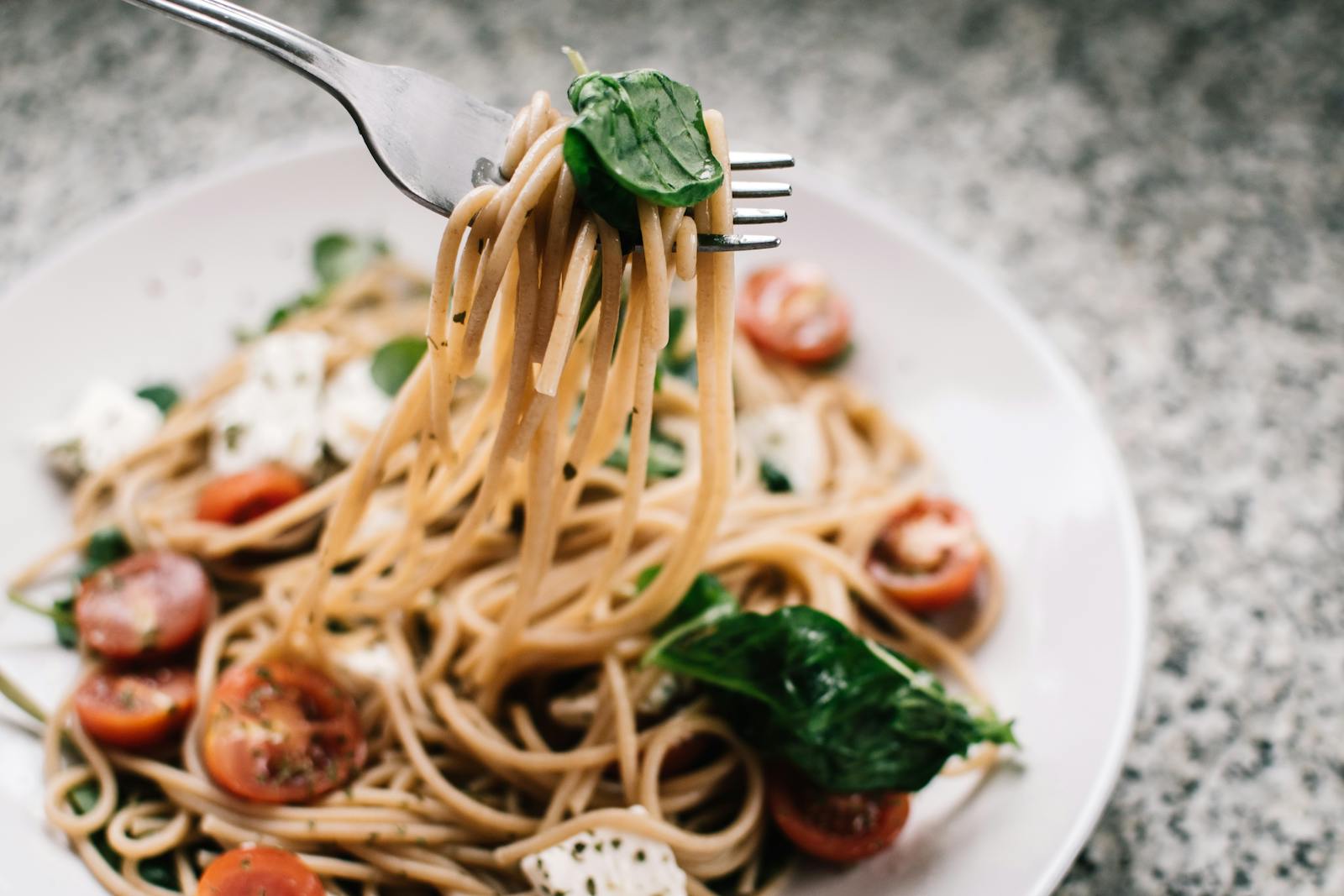
Service starts at five. Pasta starts at nine in the morning, when the kitchen is quiet and the flour delivery is still cool from the van. Forty kilos of dough a day, rolled through the same brass die we have used since 2011, and cut by hand for the evening's tagliatelle.
The Die Makes the Difference
Bronze-cut pasta has a rough surface that sauce clings to; Teflon-cut pasta, the supermarket kind, is smooth and lets sauce slide off. Our die is brass, older than some of the cooks, and it leaves every strand with the slight tooth that makes ragout eat like it was made in the same pan — because it finishes there.
Eggs, Flour, Nothing Else
Tipo 00 flour, yolks from a farm in the Hudson Valley, a pinch of salt. No water, no oil, no shortcuts. The dough rests thirty minutes under cloth before it ever sees the rollers, and the sheets rest again before cutting. Rushing either rest makes brittle pasta, and brittle pasta makes a quiet dining room.
The rule on the pasta station is short: if you would not serve it to the chef's mother, it becomes staff meal. Staff meal is excellent, for the record.
What It Changes on the Plate
Fresh pasta cooks in ninety seconds, absorbs sauce instead of sitting in it, and carries the beef ragout rather than drowning under it. The tagliatelle on tonight's menu was flour at nine this morning — that is the whole story, and honestly it is enough of one.
Want to taste the difference side by side? The tagliatelle al ragout runs every night, and the takeaway kit packs the same pasta with ragout to finish at home.
Comments
Be the first to comment.